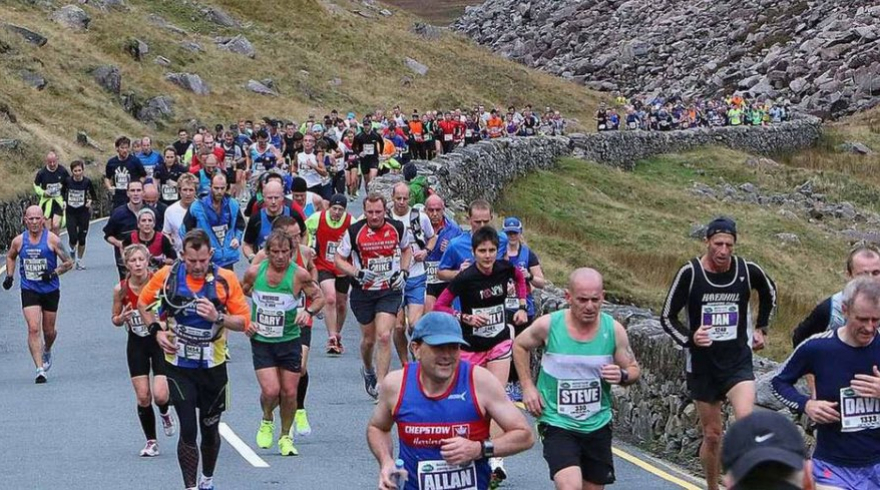
Loch Ness Marathon
test
- Total distance: 42.2 km
- Location: Inverness
- Race Date: 26 Sep 2027
- Finish rate: 100%
- Navigation: Fully Waymarked
- Aid Stations: 7
- Night Running: 0% in darkness
- Pacing Complexity: Low (9/100)
Loch Ness Marathon
- Distance
- 42.2 km
- Total ascent
- 265 m
- Cut-off
- 7h
- Town/Village
- Inverness
- Date
- 26 September 2027
test
Overview
No overview text has been written for this race yet.
Quick Facts
- Entrance Cost: Unknown
- Organiser: London Marathon Events
- Start Town: Inverness
- Dogs Allowed: Unknown
- Start Date: 26 Sep 2027
- End Date: 26 Sep 2027
- Start Time: 10:00 AM
- Final Cut-off: 7h
Navigation
- Type: Fully Waymarked
- Closest Train Station: Unknown
- Distance from Start Line: Unknown
Eligibility
- Minimum Age: 18 years
- Gender Eligibility: All genders
- Minimum Entry Criteria: Unknown
Toilets
- Hand Washing Beyond Sanitiser: Unknown
- Period Products Provided: Unknown
- Female Only Toilets: Unknown
Family & Spectators
- Baby Changing at Start: Unknown
- Family Friendly Spectator Areas: Unknown
- Flexible Deferral or Cancellation: Unknown
Safety
- Marshalls at Isolated Areas: Unknown
- Safeguarding and Reporting Policy: Unknown
- Can Hide Location from Public Tracking: Unknown
Terrain & Elevation
No terrain data available for this race yet.
Gradient
2.46%
Average climb gradient
Do you have experience of gentle climbs like Loch Ness Marathon's, which average 2.46%?
Loch Ness Marathon's climbs average 2.46%. If your training never rehearses sustained climbing at that gradient, race day will be the first time your legs meet it.
2.05%
Average descent gradient
Do you have experience of gentle descents like Loch Ness Marathon's, which average 2.05%?
Loch Ness Marathon's descents average 2.05%. If your training never rehearses sustained descending at that gradient, the downhills will empty your quads long before the finish.
Source: GPX Data
Climate
Pacing Complexity
Loch Ness Marathon scores 9/100 for pacing complexity, rated low.
Similar-distance races score a median of 24/100 (5 races compared).
Loch Ness Marathon is one of the more pacing-friendly races at this distance. The course is relatively consistent in effort demand, which makes a controlled, steady approach more viable than on many similar-distance events. Sustained effort burden is still the main watchpoint, but overall the course rewards disciplined execution over reactive pacing.
Source: GPX Data
Aid Stations
Stations
You'll need to keep an average pace of 6.0 km/h between aid stations to make the cut offs.
Stations
| KM | Name | Gap from Prev | Cut-off | Water | Cold Food | Hot Food | Hot Drinks | Gels | Medic | WC | Bags | Crew |
|---|---|---|---|---|---|---|---|---|---|---|---|---|
| 4.7 | 4.7 km | – | ✓ | – | – | – | – | – | ✓ | – | – | |
| 10.5 | 5.8 km | – | ✓ | – | – | – | ✓ | – | ✓ | – | – | |
| 15.4 | 5.0 km | – | ✓ | – | – | – | – | – | ✓ | – | – | |
| 22.0 | 6.6 km | – | ✓ | – | – | – | ✓ | – | ✓ | – | – | |
| 27.8 | 5.8 km | – | ✓ | – | – | – | – | – | ✓ | – | – | |
| 32.2 | 4.3 km | – | ✓ | – | – | – | ✓ | – | ✓ | – | – | |
| 37.8 | 5.6 km | – | ✓ | – | – | – | ✓ | – | ✓ | – | – |
None of the aid stations on this course are confirmed to offer vegan food, so vegan runners should plan to carry their own nutrition.
Source: Not recorded
Are you ready for Loch Ness Marathon?
Compare it to a race you've already run, or connect Strava and see the three biggest gaps between your training and what this course will ask of you.